The Nagold Müllwagen Tragedy: A Community Rocked by Unthinkable Loss
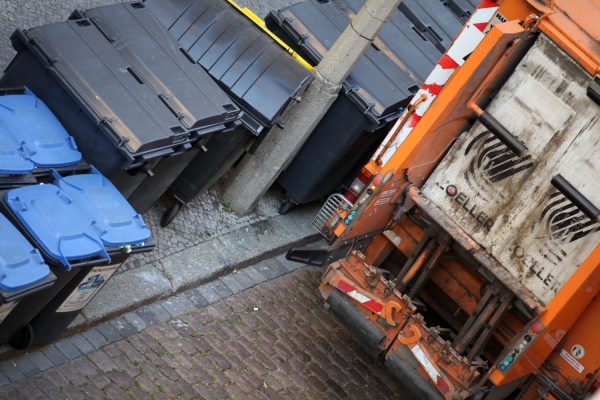
The quiet town of Nagold was plunged into profound sorrow following a horrific traffic incident – an "Nagold Unfall" – that claimed the lives of an entire young family. The tragedy unfolded when a heavy garbage truck overturned, crushing a passenger vehicle and instantly taking five precious lives. This devastating event sent shockwaves far beyond the immediate community, raising urgent questions about what led to such an unimaginable catastrophe. Was it a sudden, unforeseen technical defect in the massive vehicle, or a critical error in judgment? As investigations continue, the search for answers remains paramount for the grieving families and for road safety advocates alike.
The details of the crash are heartbreaking. A young family, comprising 25-year-old Virginia F., her two-year-old daughter Anjana, her two-week-old son Monti, her 17-year-old sister Juliana, and her 22-year-old partner Jeremy N., were traveling in their VW Golf. Their journey came to a tragic end when, at an intersection, a garbage truck tipped over, engulfing their car beneath its immense weight. The impact was so severe that all five occupants perished instantly. The sheer finality and scale of the loss left many stunned, grappling with the sudden extinguishing of five lives, particularly those of two very young children. This incident is a stark reminder of the immense dangers present on our roads and the devastating consequences when something goes wrong. For more details on the lingering questions surrounding this incident, you can read
Nagold Müllwagen Crash: Questions Linger in Family's Tragic Death.
Unraveling the Mystery: Technical Defect or Human Error?
In the immediate aftermath of the Nagold Müllwagen tragedy, initial police reports suggested a potential "technical defect" might have caused the garbage truck to suddenly accelerate just before it overturned. This theory quickly became a central focus of the investigation, offering a possible explanation for the truck's uncontrollable behavior. However, this preliminary assessment was met with skepticism from Ekkehard Häberle, the 51-year-old owner of the trucking company. He firmly stated on his firm's website that there had been "no complaints or abnormalities with the vehicle," challenging the notion of a sudden mechanical failure.
The discrepancy between the initial police theory and the truck owner's statement highlights the complex nature of accident investigations. When a commercial vehicle as large and heavy as a garbage truck is involved in such a severe incident, multiple factors must be meticulously examined. Investigators are tasked with exploring various possibilities beyond a mere technical defect. Could the load of bulky waste have shifted unexpectedly, altering the truck's center of gravity and causing it to become unstable during a turn? Were there issues with the braking system that contributed to the loss of control? Or, despite the initial focus on mechanics, could human error on the part of the truck driver ultimately be identified as the primary cause?
To determine the truth, the Müll-Lkw (garbage truck) was immediately impounded. Expert assessors and accident reconstruction specialists were called in to conduct a thorough analysis. Their work involves a detailed examination of the vehicle's mechanics, including its braking system, steering, engine performance, and the integrity of its tires. They also scrutinize maintenance logs, driver records, and the scene of the accident itself, looking for tire marks, debris patterns, and road conditions. The precise securing of the load is another critical area of focus, as an improperly balanced or shifting load can dramatically impact a truck's stability, especially when navigating turns. These meticulous investigations are crucial not only for determining liability but also for identifying systemic issues that could prevent future tragedies.
Beyond the Headlines: The Human Cost and Community Response
While the investigation into the exact cause of the Nagold Müllwagen tragedy continues, the devastating human cost remains at the forefront. The five victims belonged to the vibrant circus community, a close-knit group known for their resilience, solidarity, and unique way of life. The sudden and complete loss of a family unit profoundly impacted this community, triggering an outpouring of grief and support.
The farewell ceremony, held in Mötzingen near Tübingen, was a poignant testament to the family's impact and the strength of their community. Over 1,500 people gathered to pay their respects, transforming the cemetery into a "sea of flowers, fairy tale figures, and wreaths." The tributes were deeply personal and reflected the family's life within the circus world: rose-adorned angels, a miniature golden princess carriage, colorful Mickey Mouse figures with balloons, pastel-colored hearts, and even a Winnie the Pooh. These symbolic gestures spoke volumes about the youth and innocence lost. In a heartbreaking arrangement, the five victims found their final resting place in just three coffins, with the infant son lying with his father and the young daughter with her mother.
During the service, Zirkusseelsorger (circus pastor) Johannes Bräuchle addressed the mourners with moving words, declaring, "Five burning candles remain for us. Their show is over. The last curtain, the black curtain, has fallen." His words captured the essence of their lives as performers and the finality of their passing. The attendees, many from the circus and showman community across Germany, stood united in their sorrow. Men in black t-shirts with noticeably muscular arms and young women dressed entirely in black, their faces etched with grief, painted a powerful picture of a community in mourning. The sight of a Cinderella-like fairy tale carriage at the grave further emphasized the dream-like, yet utterly shattered, innocence surrounding the victims. This collective outpouring of emotion showcased the profound bond shared by those in the circus world and the universal human need for connection and support in the face of unspeakable loss. For more on the emotional farewell, see
Nagold Family Crash: Circus Community's Emotional Farewell.
Ensuring Road Safety: Lessons from Tragic Incidents
Every road fatality, particularly one as tragic and comprehensive as the Nagold Müllwagen incident, serves as a stark and painful reminder of the critical importance of road safety. While investigations pinpoint the specific cause—whether a technical defect, driver error, or environmental factors—the broader lesson often emphasizes the need for continuous vigilance across all aspects of road transportation.
For commercial vehicle operators and fleet owners, the incident underscores the absolute necessity of rigorous maintenance schedules. Regular, proactive inspections and prompt repairs are not just regulatory requirements but life-saving practices. Investing in state-of-the-art vehicle diagnostics and ensuring that all components, from brakes to tires and steering systems, are in optimal condition is paramount. Equally important is the proper training and ongoing education of drivers, focusing not only on driving skills but also on fatigue management, defensive driving techniques, and the critical importance of securing loads correctly to prevent shifts that can destabilize heavy vehicles.
For general motorists, awareness of large vehicles is crucial. Understanding their blind spots, longer braking distances, and wider turning radii can prevent dangerous situations. Practicing defensive driving, maintaining safe following distances, and avoiding distractions are universal tips that contribute to overall road safety. Furthermore, reporting reckless or potentially unsafe driving behavior of any vehicle type can sometimes prevent accidents before they happen.
Ultimately, incidents like the "Nagold Unfall" compel societies to review and refine their safety protocols, infrastructure, and enforcement mechanisms. They highlight that road safety is a shared responsibility, requiring active participation from vehicle manufacturers, fleet operators, drivers, passengers, and policymakers. By learning from such tragedies and implementing robust safety measures, we can strive to prevent future heartbreaking losses and protect innocent lives on our roads. The continuous pursuit of safer roads demands unwavering commitment and collective effort.
The Nagold Müllwagen tragedy represents a profound loss that shook a nation and left an indelible mark on the lives of those connected to the victims. As the painstaking investigation continues to determine whether a technical defect or human error was the root cause, the memory of the young family will endure. This incident serves as a solemn call to action, reminding us all of the fragility of life and the unwavering necessity of prioritizing road safety, rigorous maintenance, and responsible driving practices to prevent such heart-wrenching events from ever recurring.